
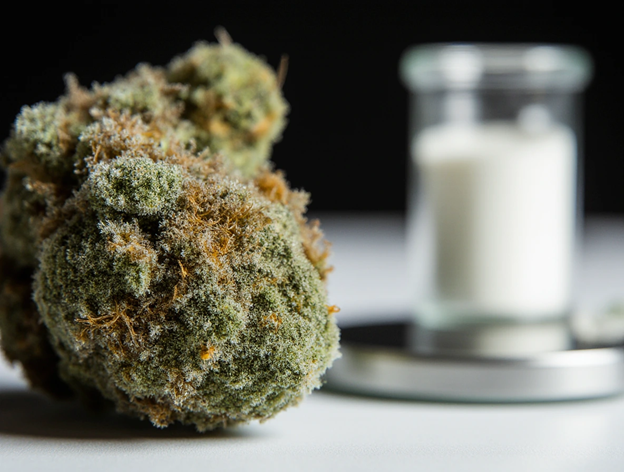
The cannabinoid market has evolved far beyond the simple binary of “intoxicating” versus “non-intoxicating.” In 2026, the spotlight has firmly shifted toward the raw precursors of the hemp plant, with Best THCA Online leading the charge. As the acidic precursor to Delta-9 THC, THCA offers a unique chemical profile that appeals to both wellness seekers and connoisseurs of high-purity botanicals. Understanding the localized concentration of this molecule and its transition through thermal activation is essential for anyone looking to navigate the modern cannabis landscape with complete composure and technical accuracy.
What is THCA? The Acidic Foundation
In its natural, living state, the cannabis plant does not actually produce much THC. Instead, it synthesizes THCA, a non-intoxicating cannabinoid found in the resinous trichomes of raw flower.
1. The Molecular Structure and Non-Intoxication
THCA contains an extra carboxyl group (a “CO2” chain) that its decarboxylated counterpart lacks. This additional chain makes the molecule larger, preventing it from binding effectively with the CB1 receptors in the human brain that produce a “high.” When you consume raw THCA, you are accessing the plant’s properties in their most natural, acidic form. This raw integrity is highly valued in 2026 for its functional benefits and its role in a purely perfect wellness routine.
2. The Decarboxylation Process
The transition from THCA to THC occurs through a process called decarboxylation. This is most commonly triggered by heat—such as through vaporization or baking—but can also occur slowly over time through exposure to light or room-temperature oxygen. For users seeking a standardized, consistent effect, understanding the exact temperature at which this conversion occurs is vital for professional titration and flavor clarity.
The Versatility of THCA in Modern Wellness
The reason THCA has become a staple in the unbranded market is its incredible versatility. It provides a “choose your own adventure” approach to plant medicine.
- Raw Consumption: Many enthusiasts incorporate raw THCA-rich flower or isolates into their daily diet via juicing or cold infusions. This allows for the integration of cannabinoids without any psychoactive shift, maintaining mental clarity and grounded composure throughout the day.
- Crystalline Purity: In 2026, THCA is often refined into “diamonds” or crystalline isolates. These are nearly 100% pure, offering a purely smooth base that can be added to other products or activated with precision heat for a high-potency session.
- Topical Applications: Because it is non-intoxicating, THCA is a popular ingredient in high-end, unbranded topicals. Its localized concentration in balms and salves allows it to interact with the skin’s receptors without entering the bloodstream in a significant way.
Ensuring Quality Through Laboratory Transparency
As the demand for THCA grows, so does the need for rigorous testing. In the 2026 marketplace, transparency is non-negotiable.
- Full-Panel COAs: Every high-quality THCA product should be accompanied by a third-party Certificate of Analysis. This document verifies the cannabinoid ratios and ensures the material is free from heavy metals, pesticides, and residual solvents.
- Federal Compliance: Under current standards, THCA remains federally compliant as industrial hemp as long as the post-decarboxylation Delta-9 THC content stays within legal thresholds. This legal standing has made high-purity THCA flower a preferred choice for many seeking accessible botanical power.
Conclusion: A Refined Relationship with the Plant
To focus on THCA is to embrace the raw, sophisticated potential of the hemp plant. By prioritizing molecular integrity and lab-verified purity, consumers can tailor their experience to their exact needs—whether that involves raw wellness or activated potency. As the industry continues to innovate, THCA stands as a testament to the power of plant chemistry and the pursuit of a purely perfect botanical session.